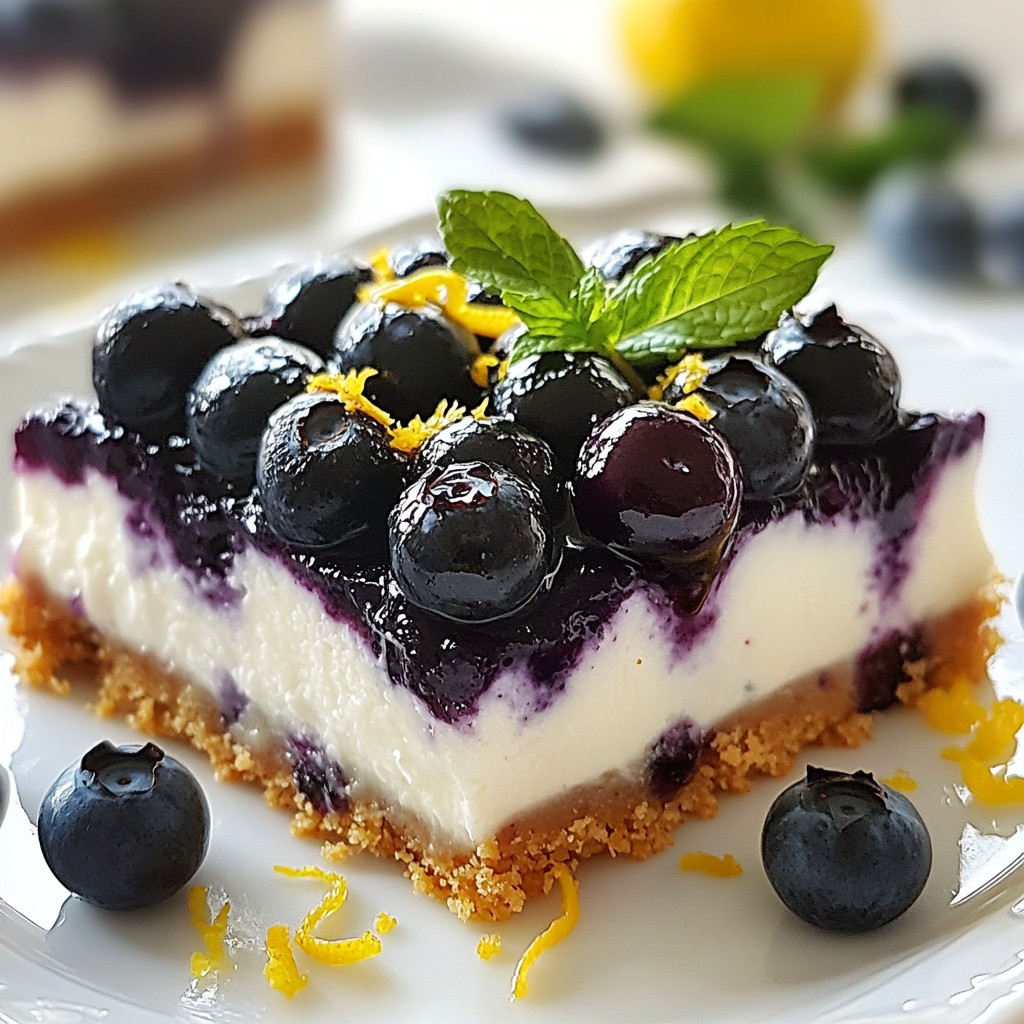

If you're craving a treat that pairs tart lemon with sweet blackberries, you're in the right place! In this post, I’ll show you how to make easy and tasty blackberry lemon scones. With just a few simple ingredients, you can bake these fluffy delights at home. Whether you're a beginner or seasoned baker, follow my easy steps and impress your family and friends with fresh scones in no time!
Why I Love This Recipe
- Fresh and Fruity Flavor: The combination of blackberries and lemon zest creates a delightful burst of flavor in every bite, making these scones a refreshing treat.
- Easy to Make: This recipe comes together quickly, perfect for a last-minute brunch or afternoon tea, with just 15 minutes of prep time.
- Perfect Texture: The cold butter and heavy cream give these scones a flaky and tender texture, ensuring they are light and airy.
- Versatile Serving Options: These scones are delicious on their own, but can also be served with lemon curd or clotted cream for an extra indulgent experience.
Ingredients
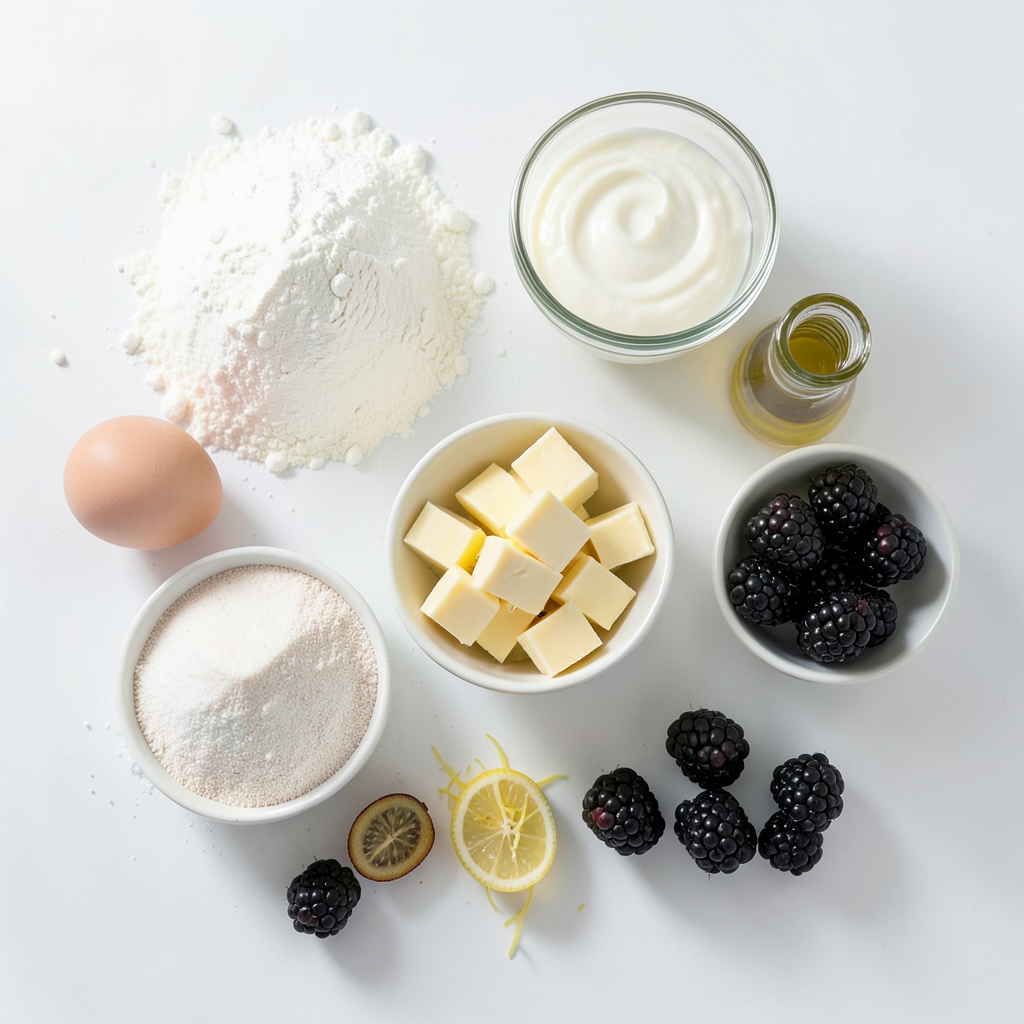
List of Ingredients
- 2 cups all-purpose flour
- 1/2 cup granulated sugar
- 1 tablespoon baking powder
- 1/2 teaspoon salt
- 1/2 cup cold unsalted butter, cubed
- 1/2 cup heavy cream
- 1 large egg
- Zest of 1 lemon
- 1/2 cup fresh blackberries, halved
- 1 teaspoon vanilla extract
Gather these ingredients before you start. Each one plays a key role in making your scones tasty.
Flour gives the scones structure. Use all-purpose flour for the best results.
Sugar adds sweetness and helps with browning. Granulated sugar works great here.
Baking powder makes the scones rise. It’s important for a fluffy texture.
Salt enhances flavor. A little goes a long way in baking.
Butter adds richness and flavor. Use cold, unsalted butter for the best taste.
Heavy cream keeps the scones moist. It also adds a lovely richness.
Egg acts as a binder. It helps hold the scones together.
Lemon zest brings a bright, fresh flavor. It pairs perfectly with blackberries.
Blackberries are the star of this recipe. They add sweetness and tartness.
Vanilla extract gives depth to the flavor. It complements the lemon and blackberries.
With these ingredients, you’ll make delicious Blackberry Lemon Scones. Enjoy the process and the tasty results!
Step-by-Step Instructions
Preparation
First, preheat your oven to 400°F (200°C). This step helps the scones rise nicely. Next, line a baking sheet with parchment paper. This will keep the scones from sticking.
In a large bowl, whisk together the dry ingredients. You will need 2 cups of all-purpose flour, 1/2 cup of granulated sugar, 1 tablespoon of baking powder, and 1/2 teaspoon of salt. Mix these well for even flavor.
Mixing the Dough
Now, incorporate the cold, cubed butter into the flour mixture. Use a pastry cutter or your fingertips. Blend until the mixture looks like coarse crumbs. This means the butter is mixed well.
In another bowl, combine the wet ingredients. Whisk together 1/2 cup of heavy cream, 1 large egg, the zest of 1 lemon, and 1 teaspoon of vanilla extract. Mix until smooth.
Finalizing the Scone Dough
Next, pour the cream mixture into the flour mixture. Stir gently until just combined. Be careful not to overmix; this keeps the scones light.
Now it’s time to fold in the blackberries. Use 1/2 cup of fresh blackberries, halved. Fold them in gently. You want to keep them whole as much as possible.
Turn the dough out onto a floured surface. Knead it gently a few times until it holds together. Make sure not to overwork the dough.
Pat the dough into a circle about 1-inch thick. You can cut it into wedges or use a round cutter to shape individual scones.
Baking the Scones
Place the shaped scones on the prepared baking sheet. Make sure to space them apart.
Now, bake them for 15-20 minutes. The scones will be lightly golden on top and cooked through.
Once done, let them cool on a wire rack for about 10 minutes. Enjoy the delightful smell while you wait!
Tips & Tricks
Perfecting the Texture
To make the best scones, avoid overmixing the dough. When you mix the wet and dry ingredients, do it just until they come together. Overmixing can make your scones tough.
Ensure proper dough consistency by feeling it with your hands. The dough should be soft but not sticky. If it feels too wet, add a little more flour. If it is dry, a splash of cream can help.
Enhancements for Flavor
You can add optional ingredients to boost flavor. A pinch of nutmeg adds warmth and spice. You might also try a bit of ginger for some zing.
To adjust sweetness, taste the dough before baking. If you want it sweeter, add more sugar. For a tart flavor, increase the lemon zest or add a little lemon juice.
Presentation Tips
Arrange your scones on a decorative plate for a lovely display. Dust them lightly with powdered sugar for a touch of elegance.
Serve the scones with lemon curd or clotted cream on the side. This adds a rich flavor that complements the scones nicely. Enjoying them this way makes your treat even more special!
Pro Tips
- Use Cold Ingredients: Ensure your butter and cream are very cold; this helps create a flaky texture in the scones.
- Don’t Overmix: Gently combine your ingredients to avoid tough scones; a light touch is key for a tender crumb.
- Fresh Blackberries: Use fresh blackberries for the best flavor and texture; frozen berries can make the dough too wet.
- Check for Doneness: Scones are done when they are lightly golden on top; a toothpick inserted should come out clean.
Variations
Fruit Alternatives
You can switch up the berries in your scones. Strawberries and blueberries work great. Just chop them into small pieces. This change adds a new twist to flavor. You can also try other fruits. Peaches and raspberries are excellent options too. Their sweetness shines in the scone dough.
Flavor Combinations
Want to add depth to your scones? Try adding herbs like lavender or thyme. They bring a unique taste that surprises the palate. You can also play with citrus flavors. Lime or orange zest can enhance the scone's brightness. These flavors work well with the blackberries.
Dietary Modifications
If you need gluten-free scones, swap out the flour. Use a gluten-free blend that you love. Many blends work well for baking. For a vegan option, replace the butter with coconut oil. Use a plant-based milk instead of heavy cream. You can also use flax eggs as a substitute for the egg. These changes keep the scones tasty while meeting dietary needs.
Storage Info
Short-Term Storage
To keep your blackberry lemon scones fresh for a few days, follow these tips:
- Cool the scones: Always let them cool completely before storage.
- Use an airtight container: This helps maintain moisture and flavor.
- Add parchment paper: Place a piece between scones to avoid sticking.
The best containers for scones include:
- Plastic food storage containers with tight lids
- Glass containers with seals
- Zip-top bags, if you remove excess air
Long-Term Storage
If you want to enjoy scones later, freezing is a great option. Here’s how to do it:
- Wrap scones tightly: Use plastic wrap or aluminum foil to cover each scone.
- Store in a freezer bag: Place wrapped scones in a heavy-duty freezer bag.
When you're ready to eat them, follow these reheating instructions:
- Thaw overnight: Place frozen scones in the fridge.
- Reheat in the oven: Set to 350°F (175°C) and bake for 5-10 minutes.
This keeps them warm and soft, just like fresh-baked scones!
FAQs
How do I know when scones are done baking?
Look for a light golden color on top. The edges should be firm, but not hard. You can also check the bottom; it should feel slightly crispy.
To be sure, insert a toothpick into the center of a scone. If it comes out clean, your scones are done.
Can I make the dough ahead of time?
Yes, you can prep the dough in advance. Make the dough and shape it into wedges or rounds. Wrap it tightly in plastic wrap.
Store unbaked dough in the fridge for up to 24 hours. When you’re ready to bake, just preheat the oven and bake as usual.
Why did my scones turn out dense?
Dense scones often come from overmixing the dough. When you combine wet and dry ingredients, mix gently.
Another common mistake is using old baking powder. Check the date and replace it if needed. For lighter scones, consider using cold butter and cream. This keeps the dough flaky.
In this blog post, we explored the key ingredients for making delicious scones. We walked through each step, from mixing the dough to baking the final product. I shared tips to perfect the texture and enhance flavors, plus many fun variations.
Now it’s your turn to try these scones. Remember, practice helps you master the process. Enjoy your baking journey and share your tasty creations!